The old site kept a small “brewer’s blog” beside a large catalogue. This index is that idea without the catalogue. Posts are rewritten at their heritage permalinks so incoming links land on real essays.
Expect process: how yeast behaves, how a keg system is arranged, how a club stays on the right side of liquor law, how cider differs from beer, how grain storage goes wrong. Do not expect harvest-week event listings we would have to invent, or a review score for a branded electric system.
If you want a full guide rather than an essay, start at beginners or the library.
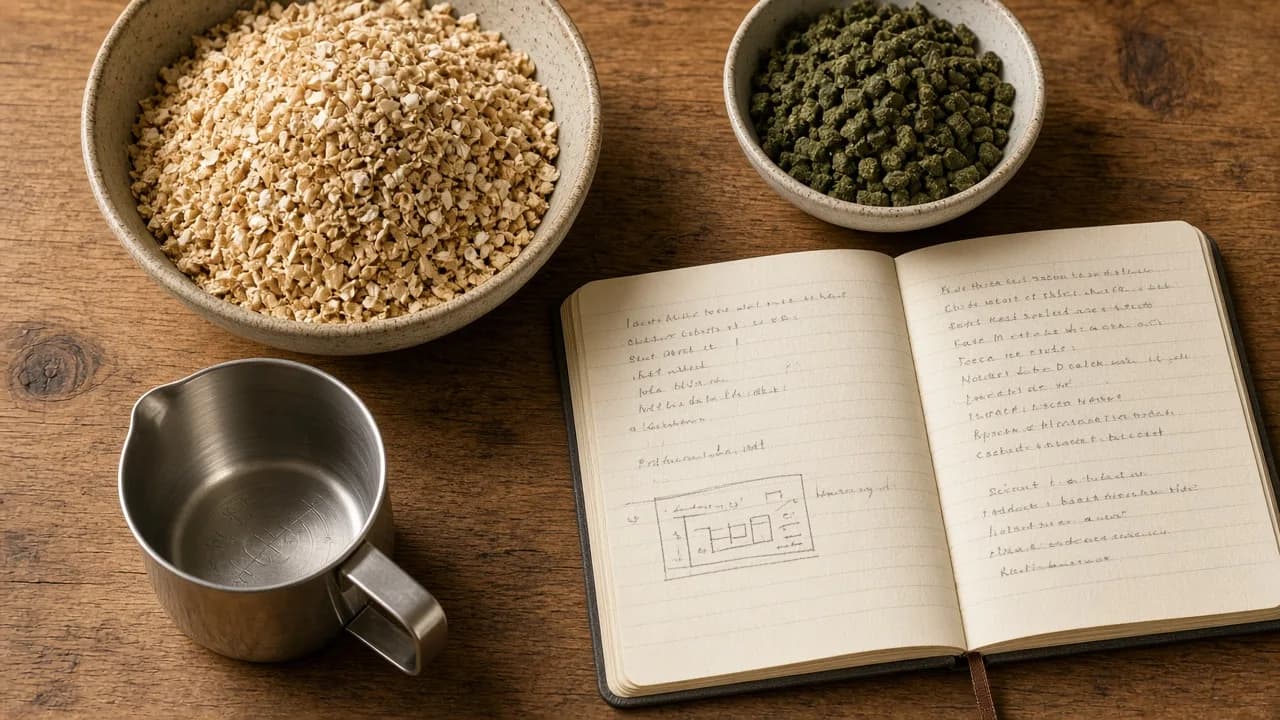
What a brew log is for
A brew log is where a household writes what it actually did. Gravity, temperature, hop lot, and whether the beer was green at week two. The public essays on this index are the general version of that habit. They are not diaries of a named person from the archive.
Read them as companions:
- Yeast when the airlock is the only thing you are watching.
- Kegs when bottles have worn you out.
- Clubs when you want other palates.
- Gas or electric when the room is the constraint.
- Foam when the glass is the problem.
- Cider when the next ferment is juice.
- Grain storage when the pantry is the problem.
What will not appear
Event listings we would have to invent. A harvest calendar. A score out of ten for a branded controller. A distillation diary. Those shapes belonged to a shop blog and to a legal line we will not cross.
If you want 1,500-word process, leave the log and open a guide. The log is the short form on purpose.
Alcohol still applies. A club-night essay is not permission to ignore the NHMRC 2020 guidelines.
Why a blog still sits beside the guides
Guides are long on purpose. A blog post is a single lever: yeast, gas, foam, insects, a club table. People arriving from an old link should find that lever, not a parked domain and not a shop memo about a weekend sale we would have to invent.
The posts are dated to the archive years as bibliographic honesty — those slugs existed then — but the sentences are new. We did not lift paragraphs from Wayback.
How to use the index
If you are brewing this weekend, skip the log and open beginners. If you are stuck on a symptom, open the beer FAQ. If you are curious about a side topic the old blog happened to name, use the list on this page.
We will not pad this hub with invented harvest reports. We will not add a comments widget that pretends there is a warehouse manager on the other side. There is an editorial contact form if a citation has moved.
Distilling posts are not “coming later”
They are not coming. The ATO line is stable. Spirit how-to from the archive stays redirected to legal. A blog that taught a still would be a different, worse site.
Read the kept essays. Brew the legal ferments. Count the drinks. That is the whole log.
A brew log is also where this site admits what it is not. It is not a daily newsroom. It is not a retailer diary. It is a short shelf of levers that the long guides do not need to repeat in every paragraph. If you finish a post and still want more, that is success: the next click should be a 1,500-word guide, not another invented anecdote. Yeast, kegs, clubs, heat, foam, cider, grain — those seven kept slugs are enough public log for a rebuild that refused to become a shop again.
Use this page as a table of contents, not as a feed you have to finish. Open one lever, brew with it, then return to a long guide. That is how a short log earns a place beside 1,500-word essays without pretending to be a newspaper.
The footer on this page is the same fleet disclaimer as every other URL: information only, trademarks respected, no professional advice. A blog index does not get a looser standard just because the posts are short. If you want to argue with a citation, use the contact form. If you want to brew, leave the index.