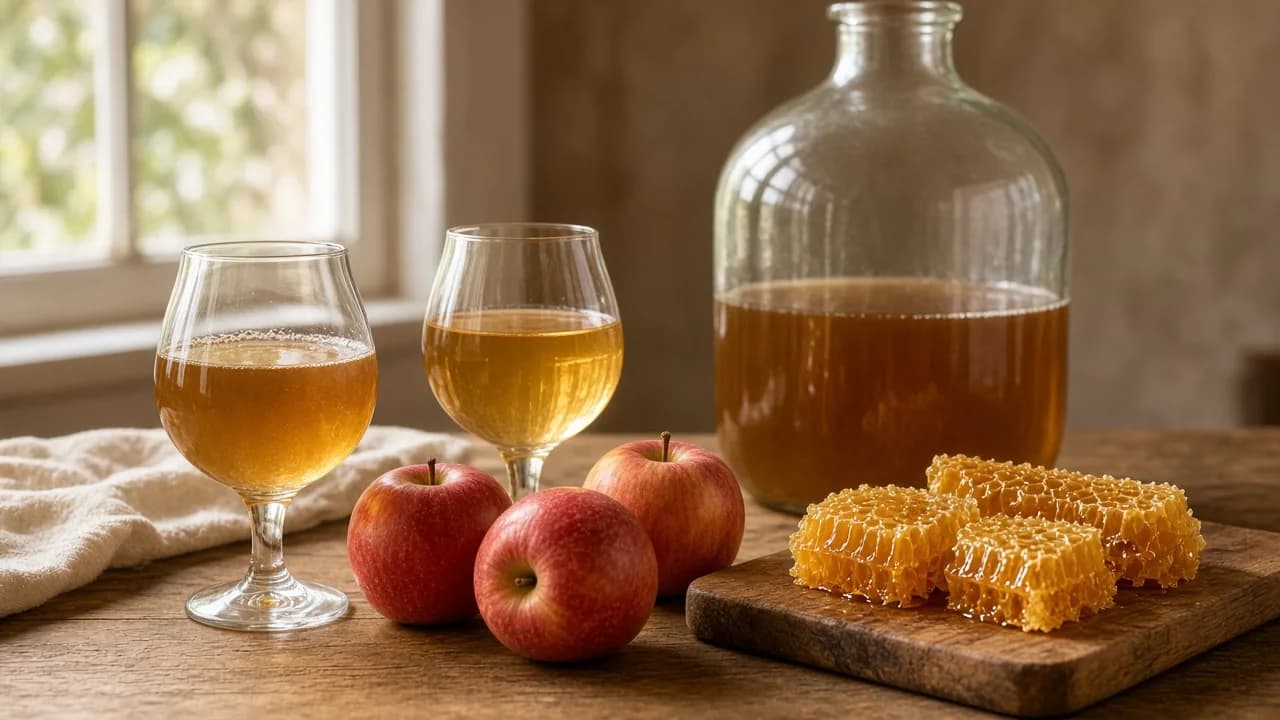
Wine at home is a ferment. You start with grape juice — freshly crushed and pressed, or a packaged kit must — and you add a wine yeast that can work in that sugar and acid. You keep the vessel clean, you measure gravity, you rack the wine off heavy sediment, and you wait. That is the craft the old category gestured at while it sold additives.
The ATO treats wine that wine equalisation tax applies to as something other than a spirit. Home, non-commercial fermentation on household equipment sits with the same “no manufacturer licence required” family as beer and cider, provided you do not distil. Commercial winemaking is a different life with different licences. This page is not that life.
Kit wine
Kits exist because not every household has a vintage. They typically include a concentrated juice, yeast, and finings. The method is close to cider: sanitise, mix to volume, pitch in the published temperature band, wait for a stable gravity, rack, fine if you choose, bottle. Follow the kit’s sequence for finings so you do not add them while the wine is still fermenting hard.
Kits are not a lesser craft. They are a way to learn racking and oxidation control without a crusher.
Fresh grapes
If you have fruit, you also have skins, stems and a microbiology problem you must respect. Crush, destem as the style requires, add sulphite only if you understand why winemakers use it, and pitch a known yeast rather than hoping the bloom on the skin makes a textbook wine. Red wine ferments on skins for colour and tannin; white wine is usually pressed first. Those are style decisions, not shop upsells.
Temperature still matters. A red ferment that races in a 35-degree shed will not taste like the note you wrote.
Racking, oxygen and time
Wine improves when it is not sitting on a rotting yeast cake and when it is not being shaken full of air after fermentation. Siphon, top up vessels, and age in full containers. Oak is optional and traditional for some styles; it is not required for a first kit.
Clarity comes from time, cold, and sometimes finings. Do not confuse sediment with failure.
What this page refuses
It will not list prices for kits or tannin powder. It will not invent a vintage score. It will not teach pot-still brandy. Archive URLs about carbon filtration of spirit 301 to legal.
Wine is alcohol. The NHMRC 2020 guidelines apply. A carboy is many standard drinks.
The library keeps a shorter companion at /brewers-library/wine/.
Oxidation, the quiet fault
Wine that has too much air after fermentation tastes tired: flat fruit, sometimes sherry-like notes you did not ask for. Top up vessels. Keep closures sound. Rack with a siphon, not a splashy pour, once the wine is no longer needing oxygen.
Beer drinkers who wander into wine often under-estimate this because a carboy looks like a fermenter they already own. It is. It also wants to be full.
Kits versus fruit, again
A kit is a curriculum. Fresh fruit is a harvest. You can do both in a year. You cannot replace sanitation with “the grapes were organic.” Wild ferments happen; repeatable wine happens when you pitch a known yeast into a vessel you can defend.
If you add oak, add a measured dose of cubes or a dedicated vessel. Furniture scrapings are not a process.
Labelling if you ever leave the household
Personal-use wine does not need a commercial label. The moment you sell, FSANZ Standard 2.7.1 and liquor licensing apply. This guide will not walk you through a cellar door permit. It will tell you that you have left personal use.
Health
Wine is alcohol. The NHMRC 2020 guidelines apply to a kit that “only made twenty bottles” just as they apply to a beer keg. Under-18s should not drink. Pregnancy and planning pregnancy are not-drinking situations in those guidelines.
Reading order
Library wine node → this page → cider and mead if you want another fruit ferment → legal if anyone mentions brandy.
A first kit wine that you rack twice, keep full, and drink the following season will teach more than a wall of tannin powder. Write the gravity. Keep the vessel topped up. Stay on the fermented side of the ATO line. That is enough wine for this hub.
Keep the carboy full after fermentation so air is not the uninvited recipe. That one habit separates a tired kit from a drink you will pour next season. If you remember nothing else from , remember to top up, to measure, and to refuse a still.