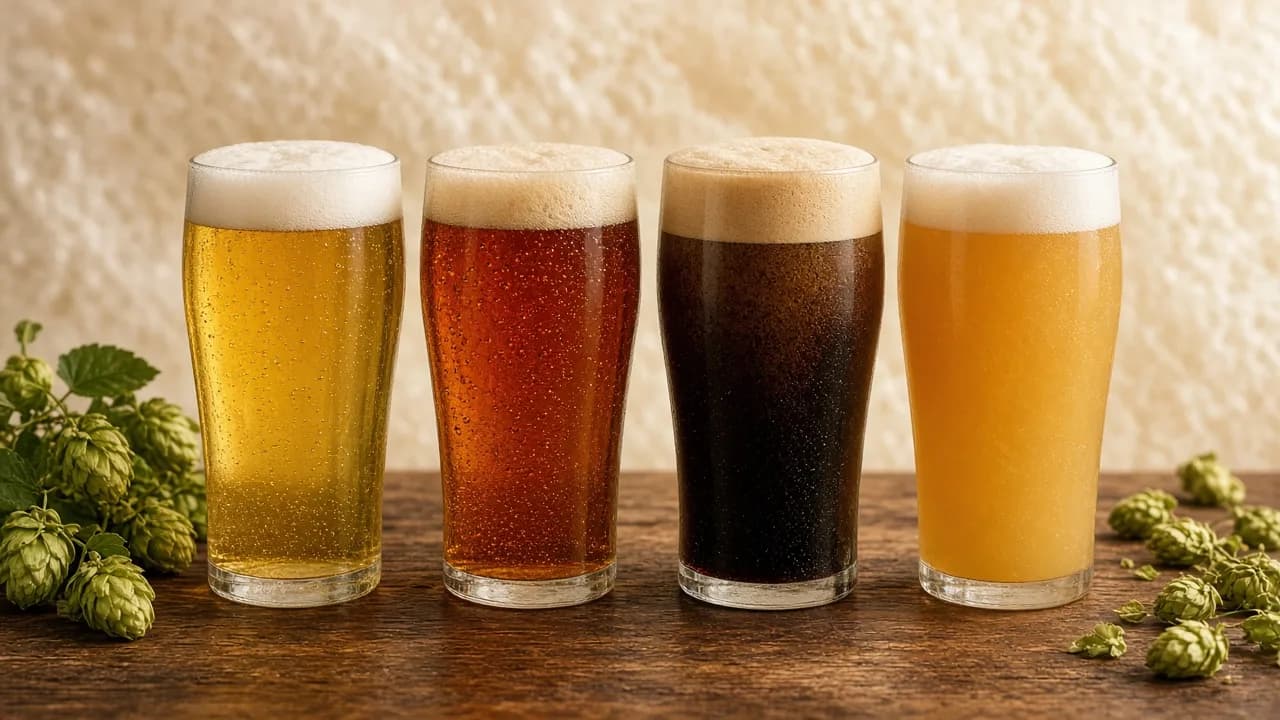
is a heritage path. On the archived retailer it opened a tree of kits, adjuncts, malt bags and yeast brands. Those child URLs now 301 toward beginners, equipment, recipes or styles depending on what the old path was selling. This page stays so the clean parent address still has a body.
Beer at home is wort plus yeast. Wort is malt sugar in water, hopped or not, boiled or not depending on method. Yeast turns that sugar into beer. The ATO says beer, including home brew, is not classified as a spirit. Spirits are what you get when you use a still. This hub will not walk you toward a still.
Read beginners for sanitation and gravity. Read styles for BJCP language. Read recipes to write a batch. Read the beer FAQ when the airlock lies to you. Read equipment when you are about to buy a third gadget instead of a fridge controller.
Australian beer culture includes sparkling ale, hop-forward pale ales, and dark beers that hide a warm ferment better than a pilsner will. None of those need a medal table. They need a clean fermenter and a temperature you can name.
Packaged beer is alcohol. The NHMRC 2020 guidelines apply to the longneck you just capped. If you came here looking for cider, the neighbour hub is /cider/. If you came here looking for a Grainfather product tile, you will not find one.
What used to hang off this URL
Child paths under included starter kits, hopped tins, all-grain packs, adjuncts, pots, cappers, malt bags by maltster, hop packets, and yeast brands. Those were merchandise. They now 301 by topic:
- kits and yeast toward beginners
- pots and hardware toward equipment
- recipe packs and clone slugs toward recipes
- cider-under-beer toward cider and mead
The parent stays so a human who typed still gets beer.
A beer-only reading order
- Is it legal? — yes for fermenting, no for distilling.
- Beginners — clean, pitch, measure.
- Styles — name the family.
- Recipes — write the batch.
- FAQ — when the bucket misbehaves.
- Priming or kegging.
That order is the opposite of a catalogue, which showed you a tin before you owned a hydrometer.
Responsible pouring
Home beer is still beer. The NHMRC 2020 guidelines are the serving rule for this hub as much as for the homepage. If you bottle a full fermenter, you have made many standard drinks. Store them like that matters.
DrinkWise is the public-facing companion if you want a reminder that is not a recipe.
Climate is part of the recipe
Australian brew days fail more often from heat than from a missing gadget. A pale ale pitched into a 28-degree laundry will pick up esters and solvent notes the tin did not advertise. Move the fermenter, use a water bath, or wait for a cooler week. That advice is also on beginners; it belongs on because this is the URL people still type.
Winter in the south can stall an ale. A cupboard that sits in the mid-to-high teens is a tool. A concrete garage that drops overnight is a different tool. Write the temperature you held. The next beer will be better for that sentence.
What a beer hub should not become
It should not become a price list. It should not become a ranking of tins. It should not become a still-adjacent “next step” funnel. Those were archive shapes. This rebuild stops at fermentation, packaging and the NHMRC glass.
If you want hops and malt as a method, stay. If you wanted a cart, the cart is gone.
This hub is also a promise about tone. We will describe process in Australian rooms. We will cite the ATO when the conversation leaves fermentation. We will not fill the page with a fake medal table so it looks busier than a guide needs to be. Brew the beer. Write the gravity. Pour within the guidelines. That is now.
A last practical note: if you can only buy one instrument after the fermenter, buy the hydrometer. Style talk without gravity is just colour. This hub exists so leads to instruments and methods, not to a tile of tins.