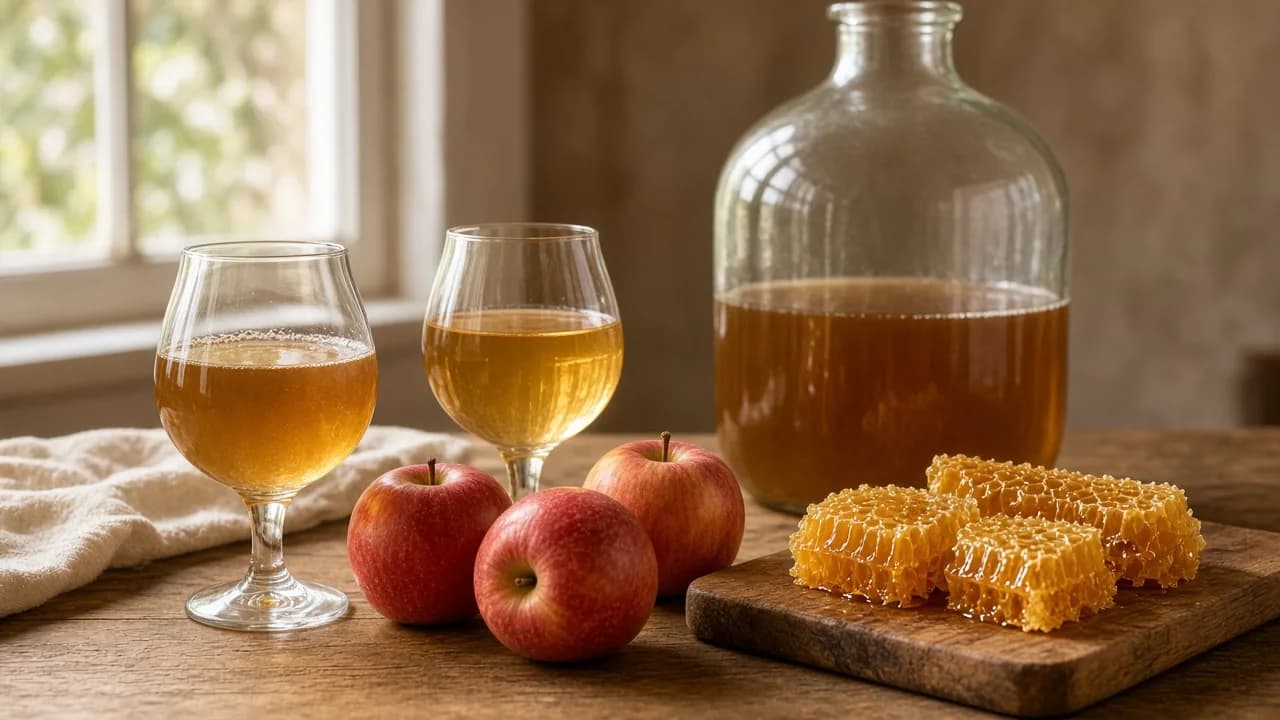
Cider is fermented apple juice. That sentence is enough to retire a product grid. You need juice that can ferment, a yeast that can live in it, nutrients if the juice is thin, and a hydrometer so you do not bottle a living bomb.
The full method, including perry and mead, is at cider and mead. A shorter brew-log version sits at the heritage cider post. This page exists because was a real, clean parent path and the rebuild keeps those paths alive with new writing.
The ATO’s fermented-beverage exemption covers personal-use cider the same way it covers beer, so long as you do not distil the result and do not add distilled spirit as a manufacturing step. If someone offers you a still “for apple brandy,” that is the legal conversation, not a recipe.
Drink cider as alcohol. The NHMRC 2020 guidelines are the household rule, not a tasting-flight exemption.
Why this path still exists
is short, memorable, and was a real parent in the archive. The long essay moved to so mead and perry could sit beside apple without pretending the old shop had a mead aisle worth keeping. Both URLs are live. Both are editorial.
If you bookmarked a cider kit tile, you landed here after a 301. There is no tin to add to a cart. There is a method.
A cider-only checklist
- Juice you can ferment.
- Yeast you can name.
- Nutrients if the juice is thin.
- A hydrometer.
- A clean vessel.
- A plan for dry versus sweet.
- No still.
When that list is boring, you are ready. When it still feels like shopping, read the long guide slowly.
Australian apples vary by season and variety. That is a reason to measure gravity, not a reason for this page to invent a regional ranking.
Neighbours
Wine if the fruit is grape. Kombucha if the fruit is not the point. Beer if you wanted malt after all.
Juice you can defend
Ask one question of the juice: can yeast live in it? Preservatives that are meant to stop fermentation will do that job in your bucket too. Fresh press, a cider-specific kit, or a retail juice you have read are the three honest starts. Mystery drums from a mate are a fourth start with more microbiology.
Measure original gravity. Australian apples are not a single number. A thin juice makes a thin cider unless you add fermentable — and if you add fermentable, write it down so you know why the drink is stronger.
Sweet, dry and the bottle
Dry cider is the beginner’s friend because you are not fighting a second ferment in the bottle. Sweet cider is a study in stabilisation or in kegs you can refrigerate hard. If you are not ready for that study, ferment dry and add juice to the glass.
Heritage product tiles under 301 here so the parent path still teaches. The lesson is juice, yeast, time. The lesson is not a flavour name on a pouch.
Keep a written original gravity on every cider. Australian juice is not one number, and a hydrometer is how you notice that before the bottles surprise you. If the number is low, decide on purpose whether you want a light cider or whether you will add fermentable — then write that decision next to the yeast name. That habit is the whole difference between a repeatable drink and a lucky jug.
If you press fruit, clean the press as carefully as the fermenter. Wild yeast will attend either way; a known pitch is still the beginner’s friend. This hub will not romanticise a cloudy jug as a method. Measure, wait, package. That is cider at .
Pear juice is welcome here as perry; the method does not change. Mead is next door on the long guide because honey is a different sugar and a longer wait. This parent path stays apple-first so the old shop category still means something after the tiles are gone.
A cider habit worth repeating: sanitise the vessel, pitch a yeast you can name, and do not bottle while gravity is still sliding. That is the same discipline as beer, applied to juice. The long guide next door adds mead and perry; this path keeps the apple doorway the archive already taught people to type.